

Business Models
The Club Store Co-Eds of Chicago and the Philadelphia Tribune Girls led the way among numerous early African American women’s teams that smashed barriers
During the early 1930s, Black basketball’s popularity was surging in Chicago. There were numerous African American female teams such as the Oberlin Girls, Olivet Girls, Savoy Colts, Chicago Whippets, and Roamer Girls. They paved the way for the Club Store Co-Eds, also known as the Chocolate Co-Eds when they traveled.
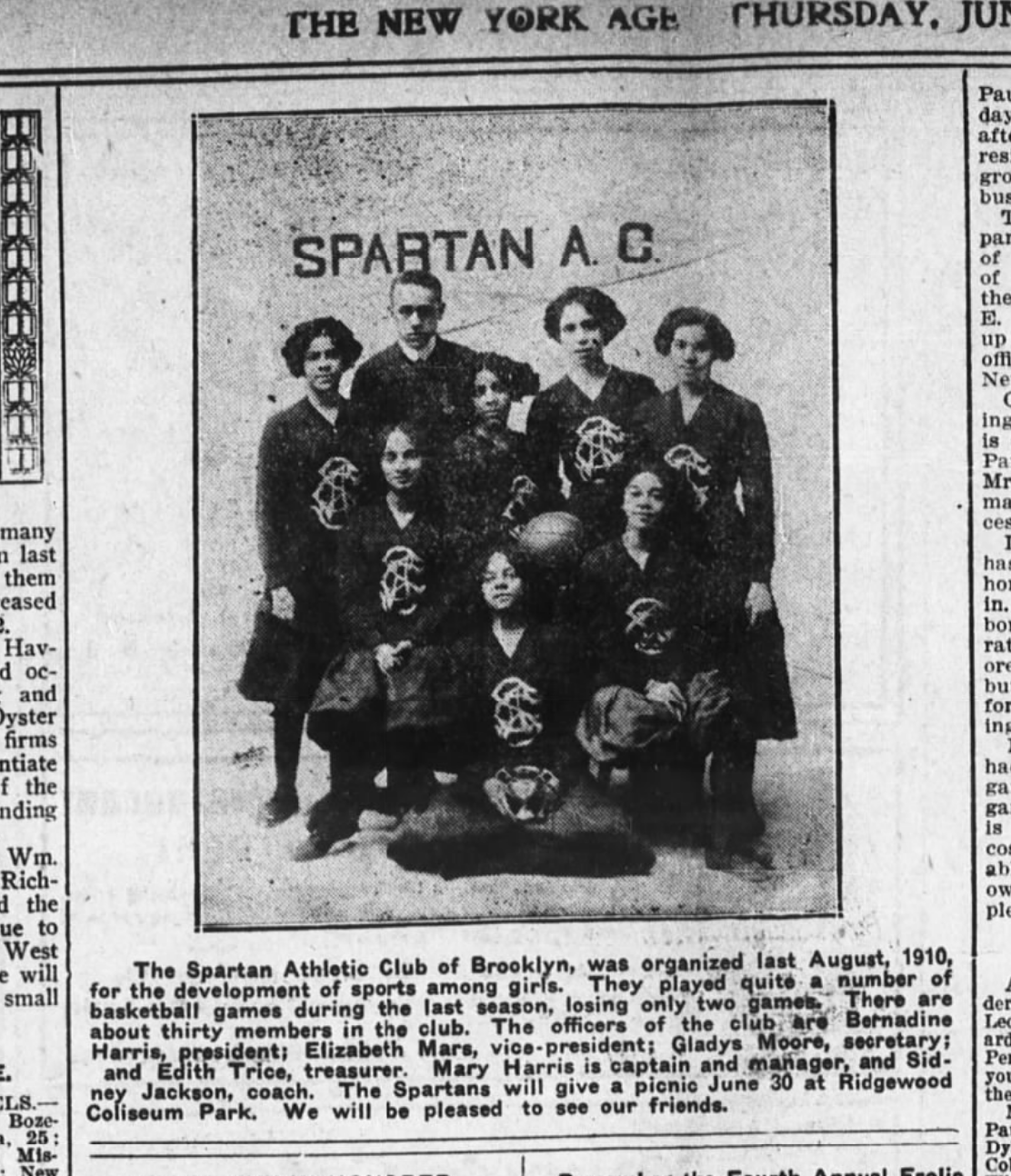
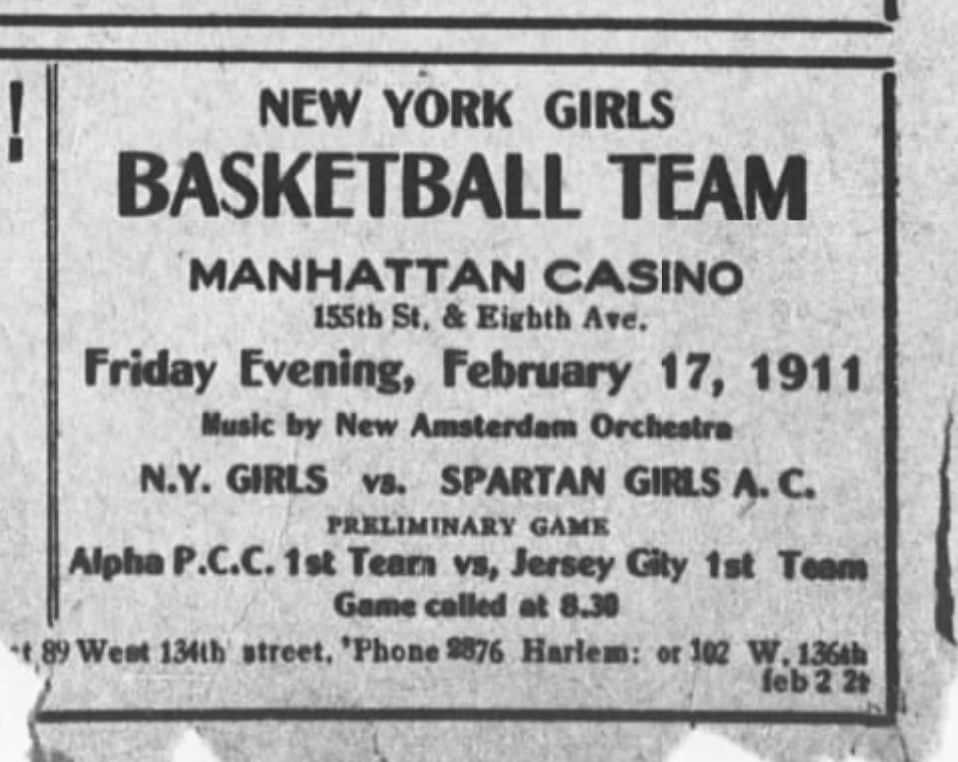
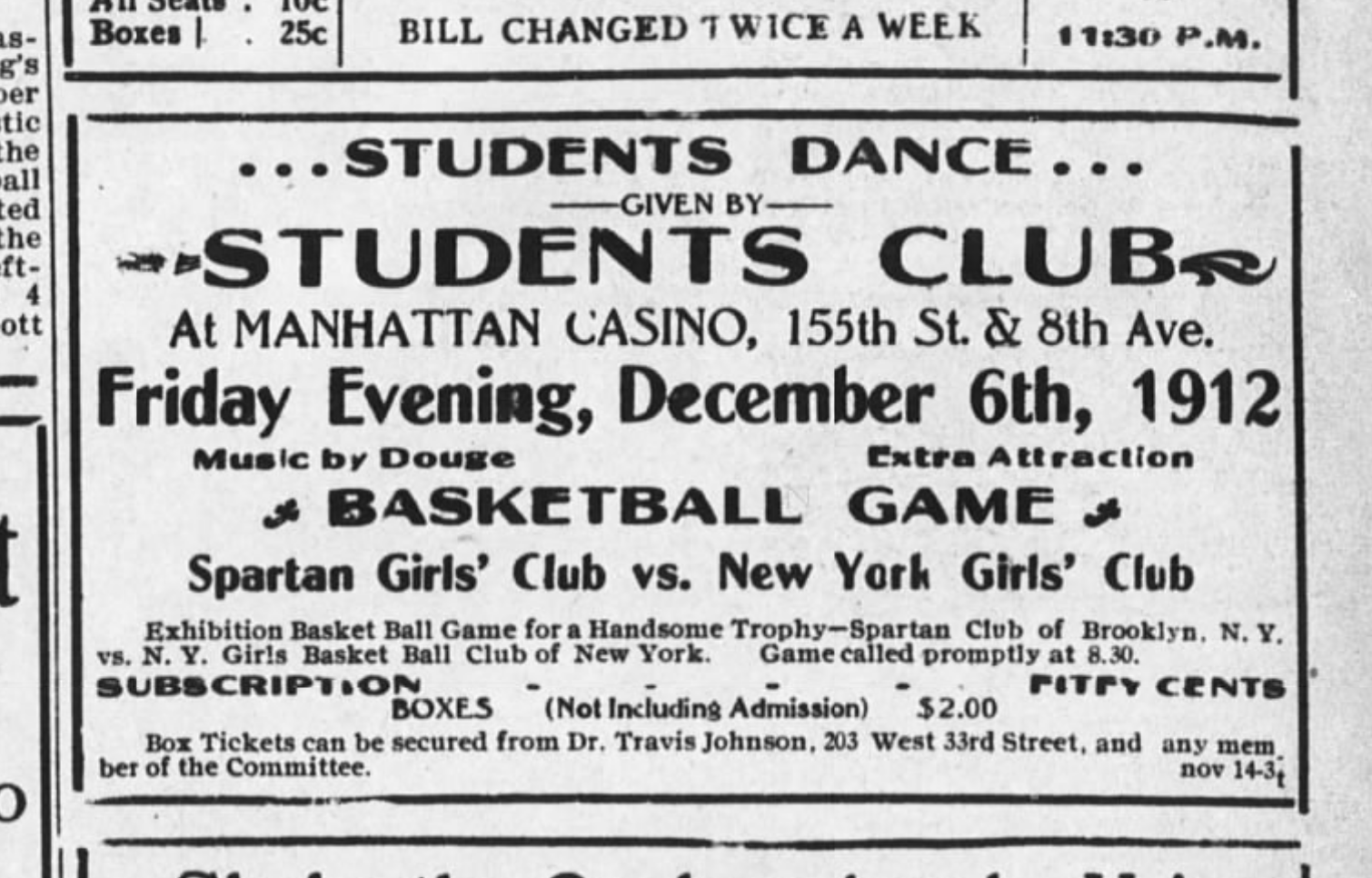

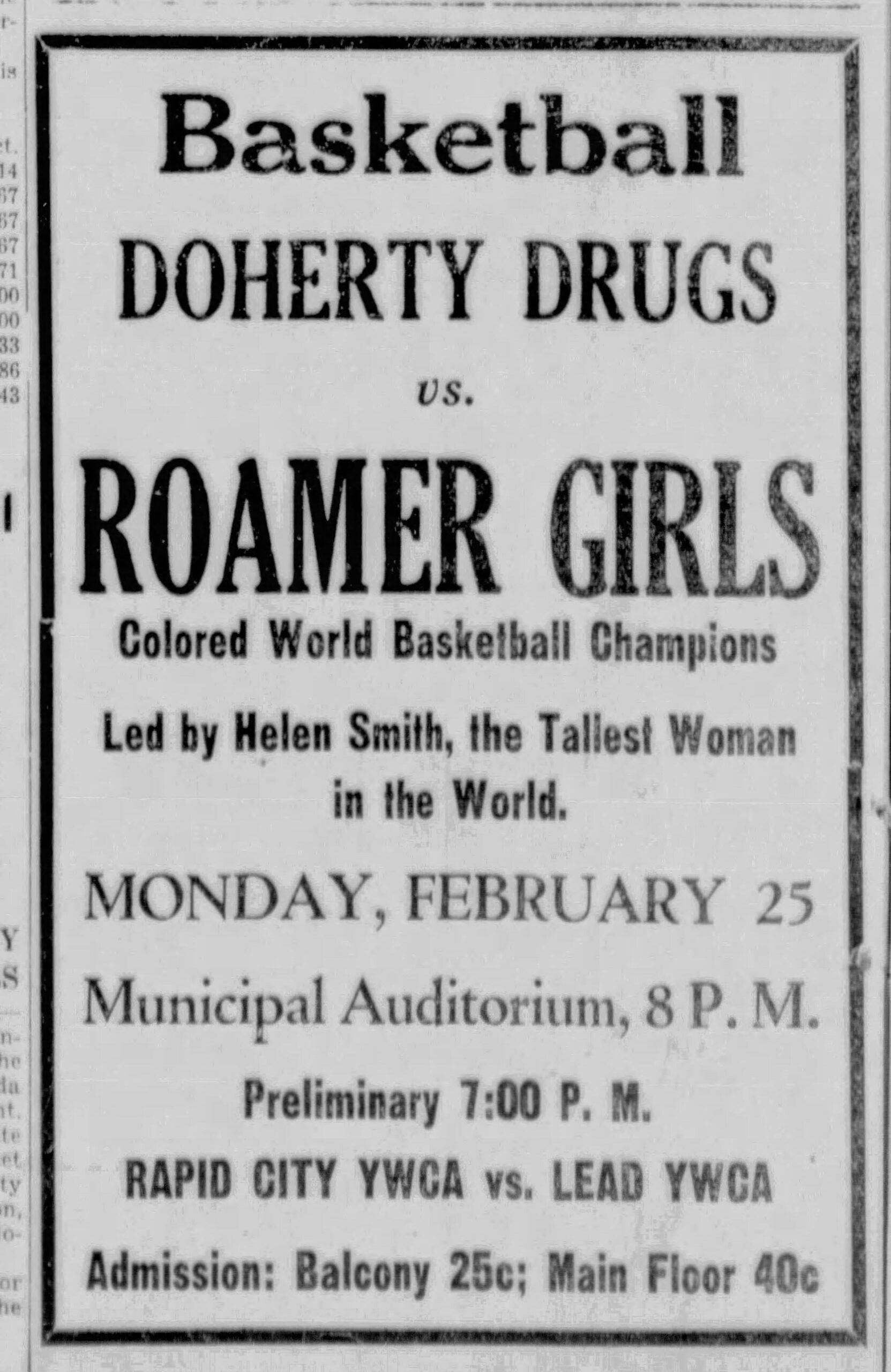
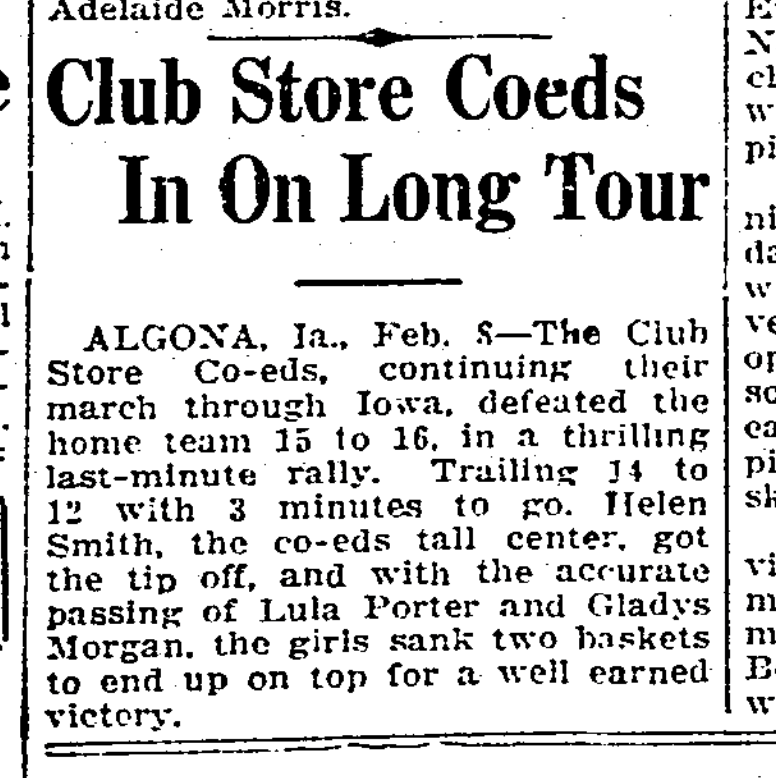
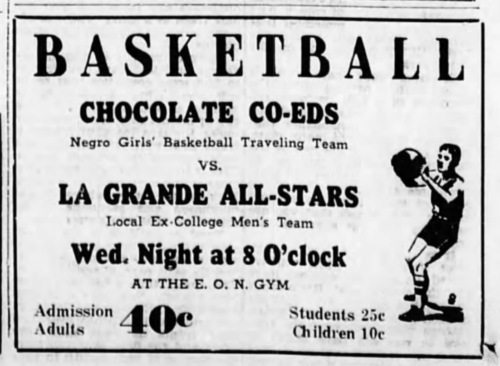
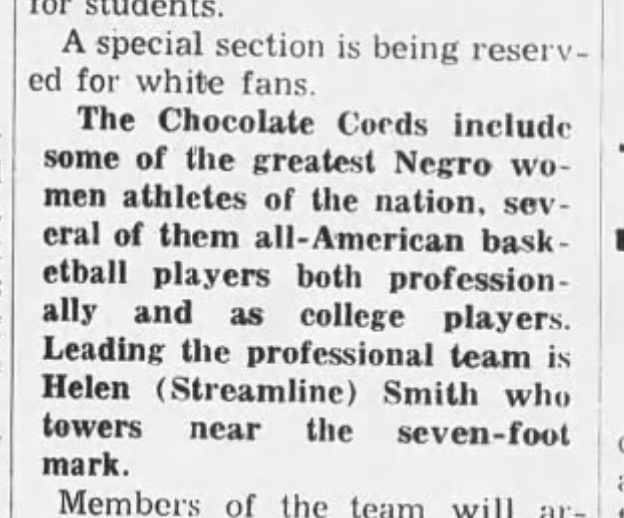
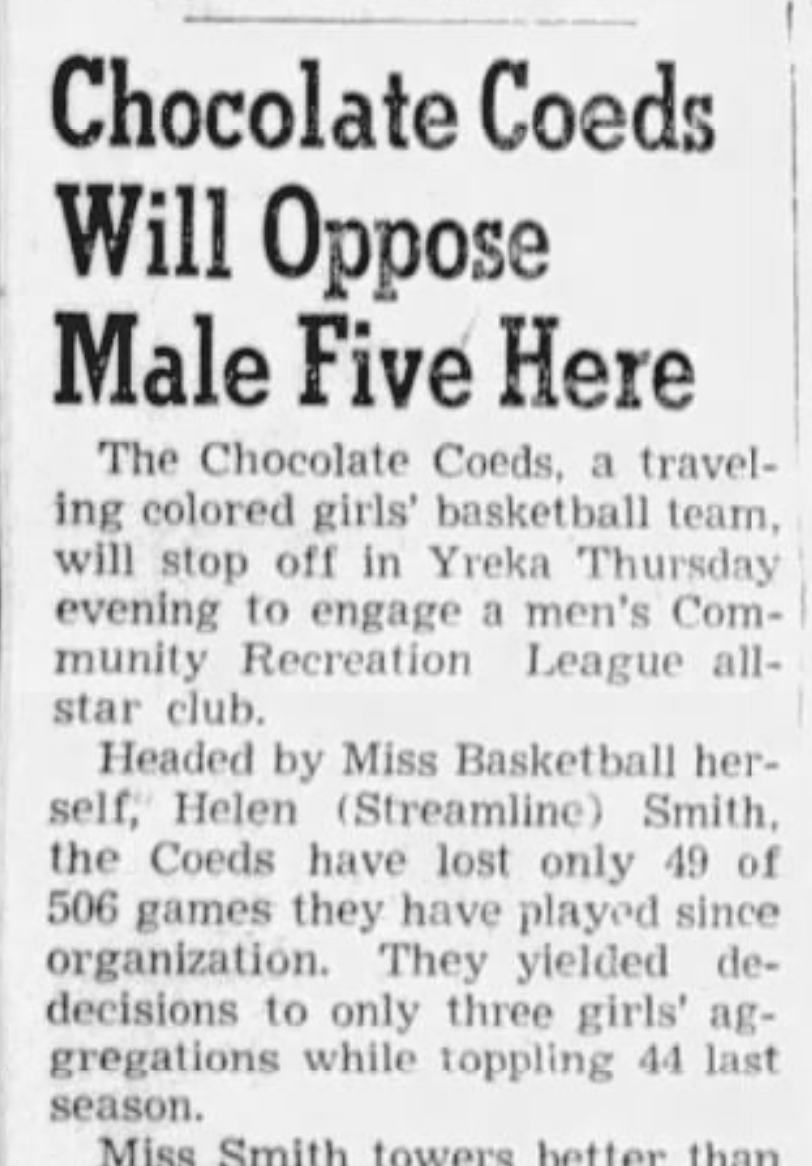
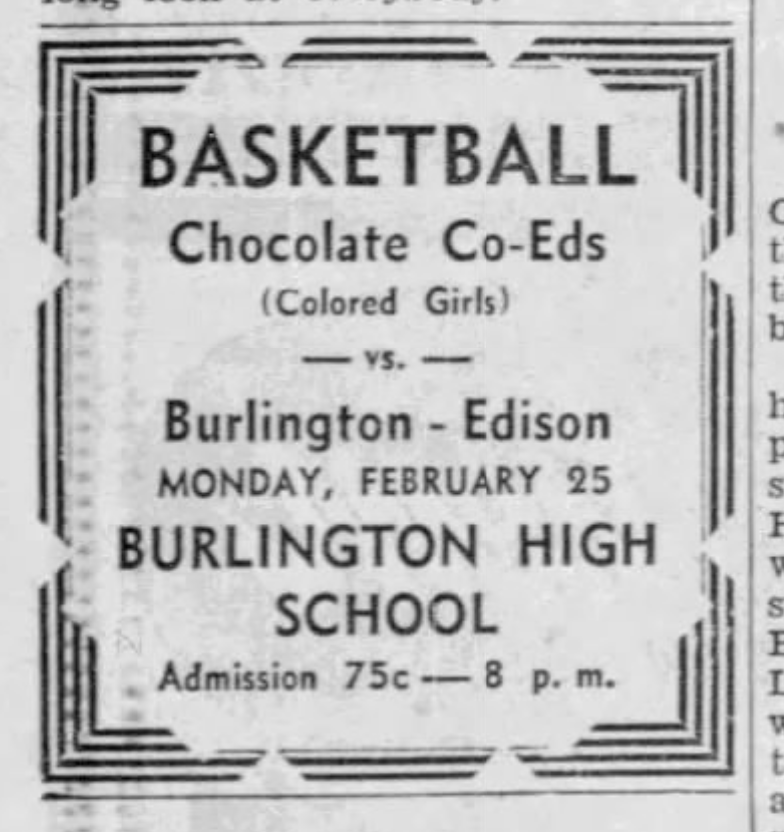
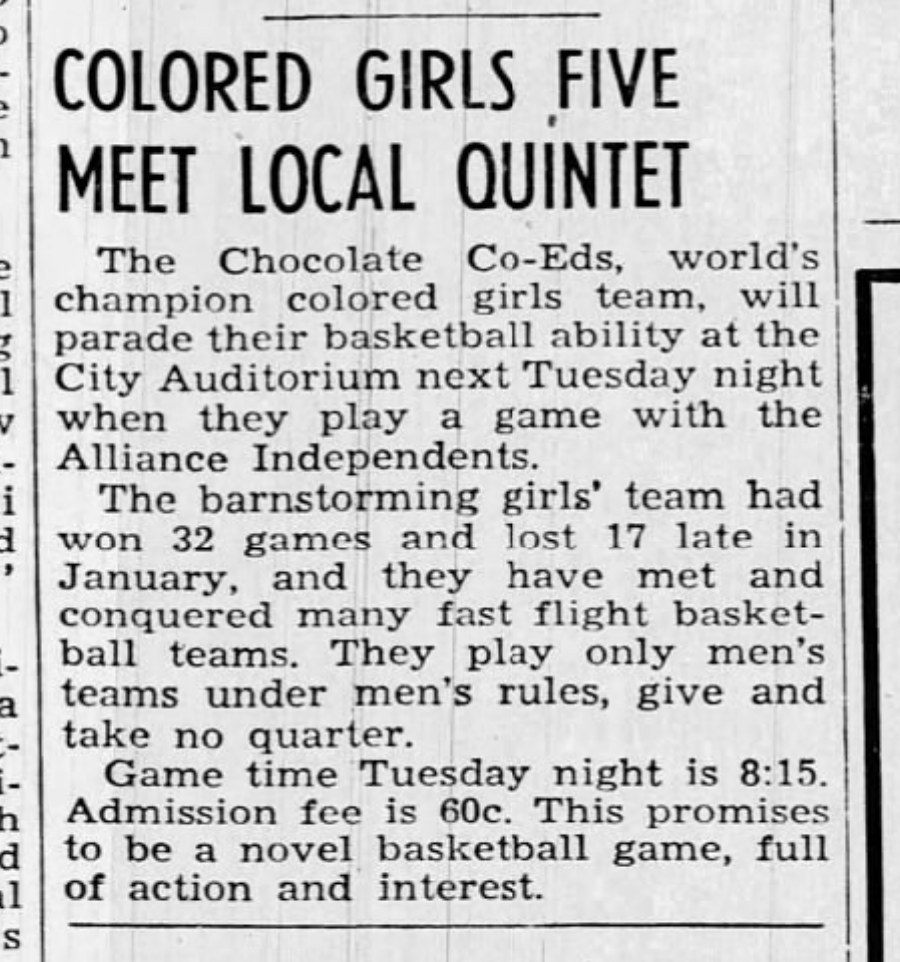
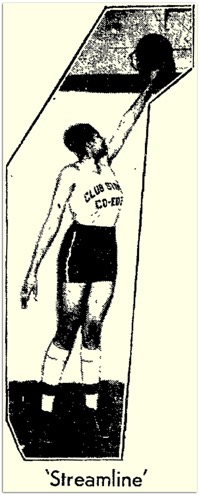
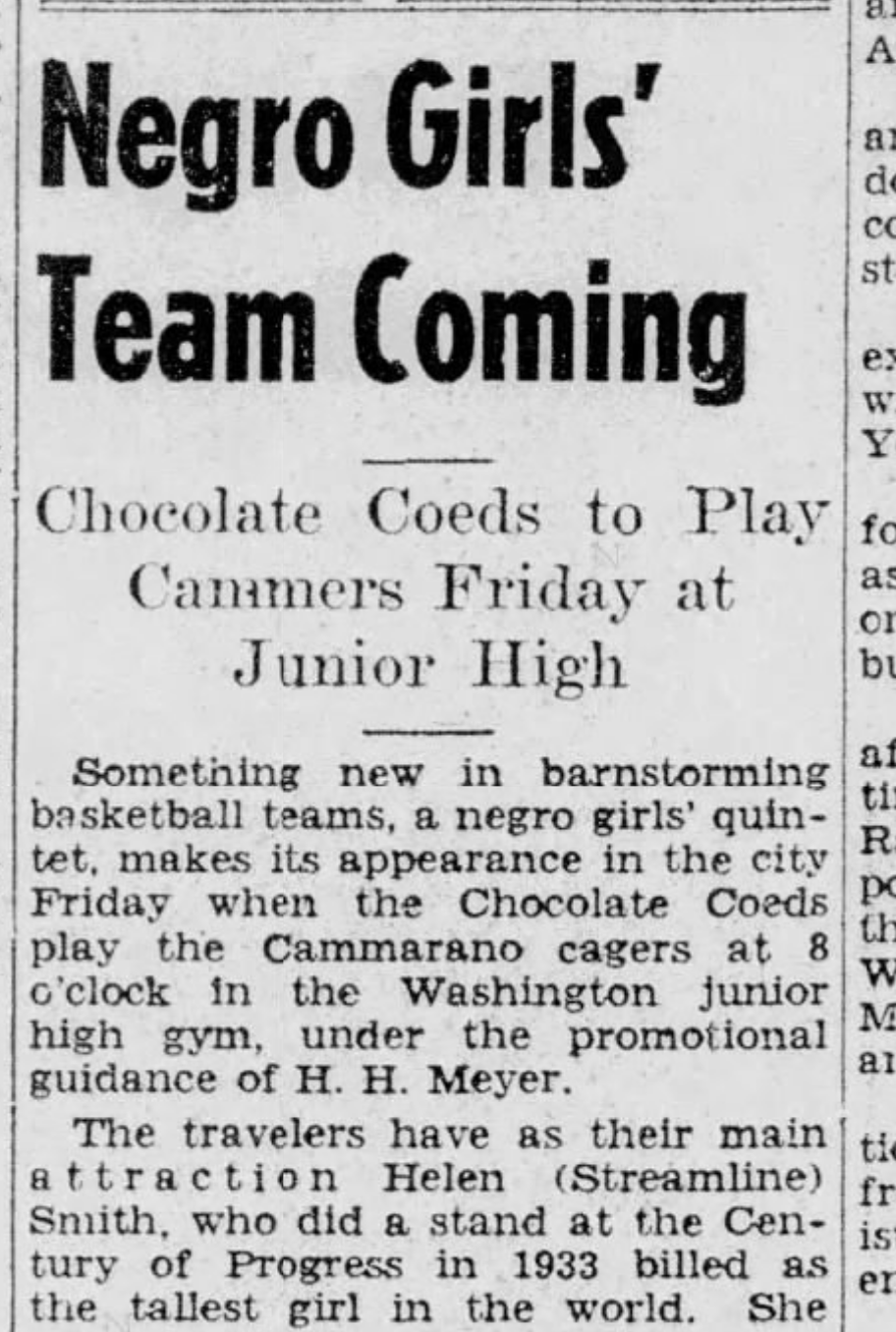
The Club Store Co-Eds were a pioneering all-Black women’s basketball team formed on the South Side of Chicago in 1930 by entrepreneurial African American nightclub promoter Dick Hudson. With financial backing from the Club Store, a Black-run community cooperative shop located at East 47th and Wabash Avenue in Bronzeville, the Co-Eds featured an all-star lineup that included 6-foot 7-inch center Helen “Streamline” Smith and played their home games at the South Side’s renowned Eighth Regiment Armory. Hudson envisioned a national stage for the Co-Eds and shortly after forming the squad he took them on an extensive West Coast tour with stops in Wisconsin, Minnesota, Iowa, and Colorado as well as Canadian stops in Alberta and British Columbia, making them the first all-Black female barnstorming squad in history. On the road, they were nicknamed the Chocolate Co-Eds and Smith was promoted as the “tallest woman in the world.” But this was not a comedy act. Playing straight basketball, they became so dominant that other women’s teams refused to play them, so Hudson scheduled games against men’s teams instead. At one point, the Co-Eds defeated forty-one all-male squads in a row, and in a typical season, they traveled over 10,000 miles covering dozens of states while scheduling up to 100 games. The success of the Club Store Co-Eds helped expand the image, definition, and realm of the African American female athlete while also promoting race relations, gender equity, and economic empowerment for Black women overall during a time when these concepts were new to most Americans.
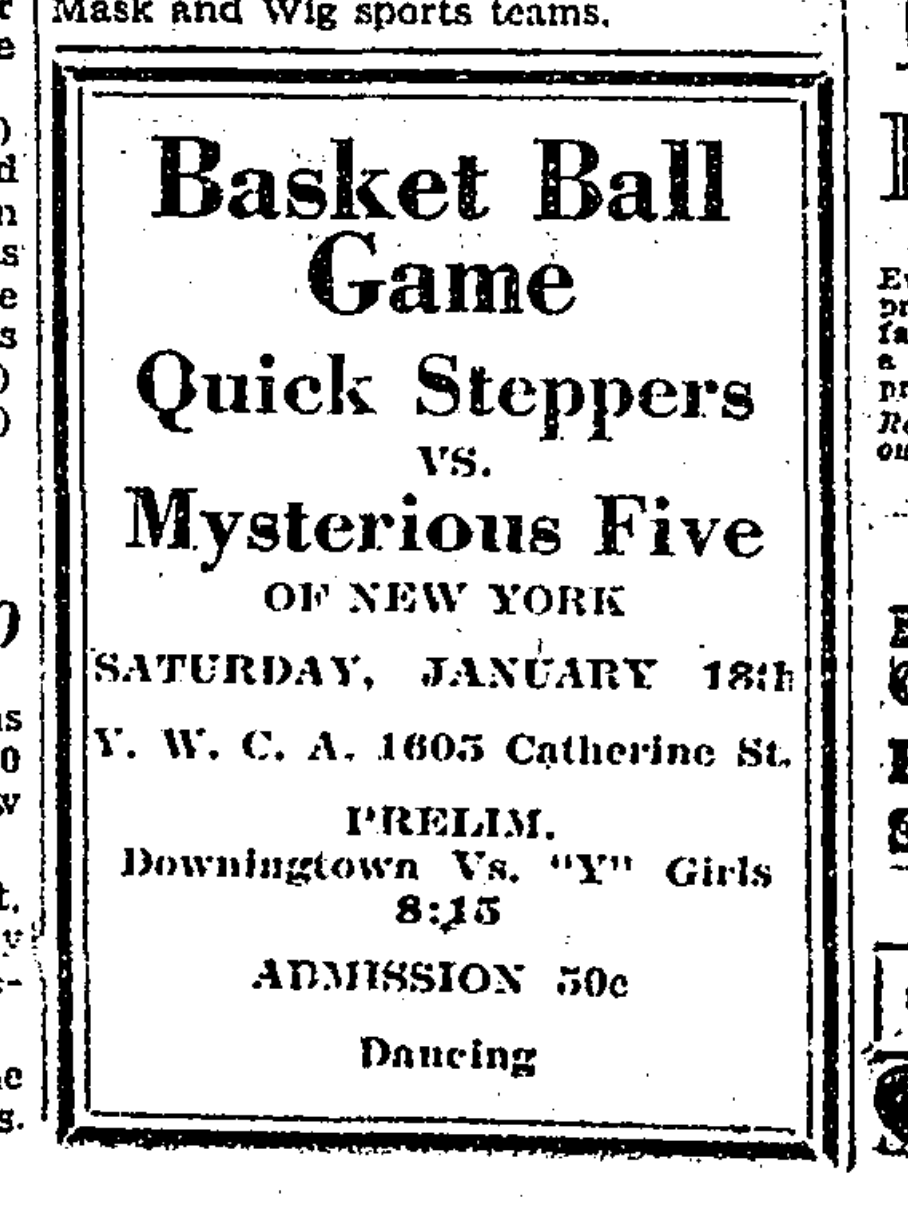
Similarly, in Philadephia, the Germantown Hornets and Philly Quicksteppers pioneered a path for the Tribune Girls.
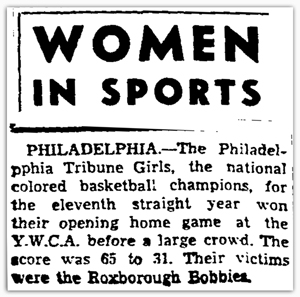
The Philadelphia Quick Steppers were organized in the late 1920s in connection with the Young Women’s Christian Association Colored Branch in Germantown, a racially diverse section on the city’s North Side. Inez Patterson, a record-setting Temple University athlete who was an All-Collegiate selection in many sports including basketball, was the Quick Steppers’ most talented player. A native of West Philadelphia and the team’s captain, Patterson led the Quick Steppers to a 15-1 record and the Eastern Colored Women’s Basketball Championship title in 1929. More than a great athlete, Patterson also managed the team and was far ahead of her time as a Black female sports promoter and entrepreneur. In 1930, she approached the powerful Philadelphia Tribune, a leading African American newspaper, to propose a team sponsorship arrangement with the Quick Steppers that would promote her basketball team, bringing free advertising, promotion, and financial stability during a time of great uncertainty at the start of the Great Depression. In return, she renamed her squad the Tribune Girls, a team that would win eleven straight Black national championships. The Quick Steppers broke the paradigm of dainty blouses and bloomers not only by dominating their competition on the court but also by shattering prior notions about the levels women could achieve as leaders in the business of sports.
(Black Fives Foundation Archives)