Will Anthony Madden (1883–1973) was born into poverty in the predominantly African-American section of Manhattan that was once called “Little Africa,” better known today as Greenwich Village.
Despite his challenging background, Madden was driven to succeed, first as a messenger working for Standard Oil Company at its headquarters in Lower Manhattan, and then in basketball. During the 1910s, Madden rose to national prominence to become known as the “King of Black Basketball.”
While striving in the sport, he made pivotal contributions to basketball that changed the way games were promoted, staged, played, and covered in the news.
A four-time winner of the Colored Basketball World’s Championship with two different teams (St. Christopher Club, New York Incorporators), Madden introduced to Black basketball the hiring of expert coaches (proficient at “scientific basketball”), inter-city rivalries, team nicknames, in-arena giveaways, marketing via widespread editorial coverage, stylish uniforms, an annual All-American list for top African American players, an annual black All-Star team, lengthy road trips that inspired the concept later known as barnstorming, compensation for players, and articles of incorporation for basketball teams to be run as businesses.
MORE (below gallery)
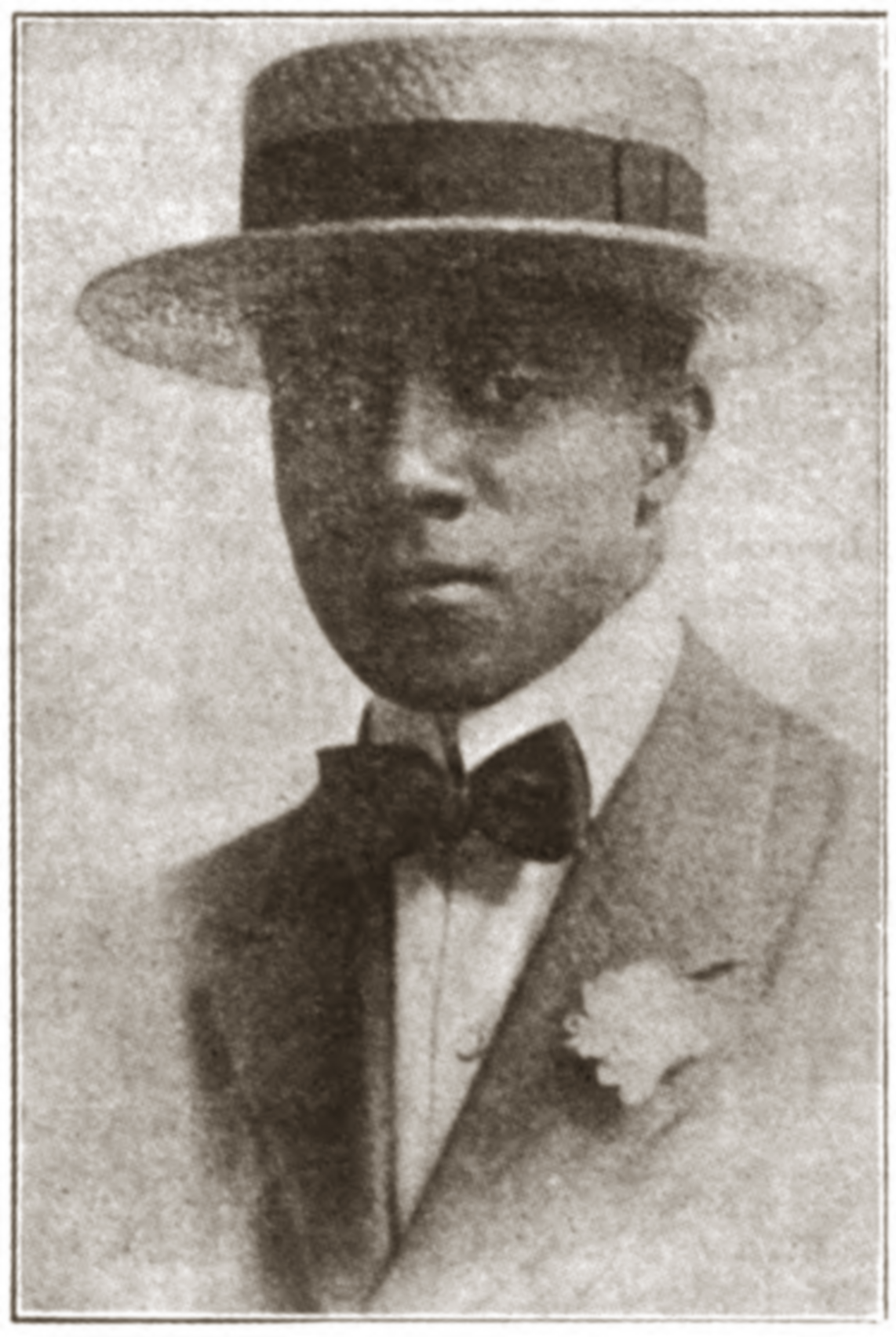
Madden, 1920
More ... Will Anthony Madden, a pioneer in African American basketball during the 1910s, was an extraordinary manager, promoter, owner, and showman whose signature look was a white carnation in his left lapel. Reproduction.
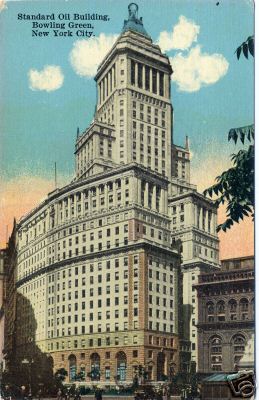
Standard Oil
More ... Will Madden worked a day job as a messenger for Standard Oil, in their headquarters location at 26 Broadway, New York City, nicknamed by employees as "26." Will worked on the top floor among the company's top executives, including John D. Rockefeller when he was in the building, and John, Jr. They referred to the messenger by an informal version of his first name. To them he was "Billy" the "colored" messenger. Madden's supervisor was executive messenger J. Hoffman Woods, who was a co-founder of the Smart Set Athletic Club of Brooklyn. 1910s, Postcard, unused. (Black Fives Archives)
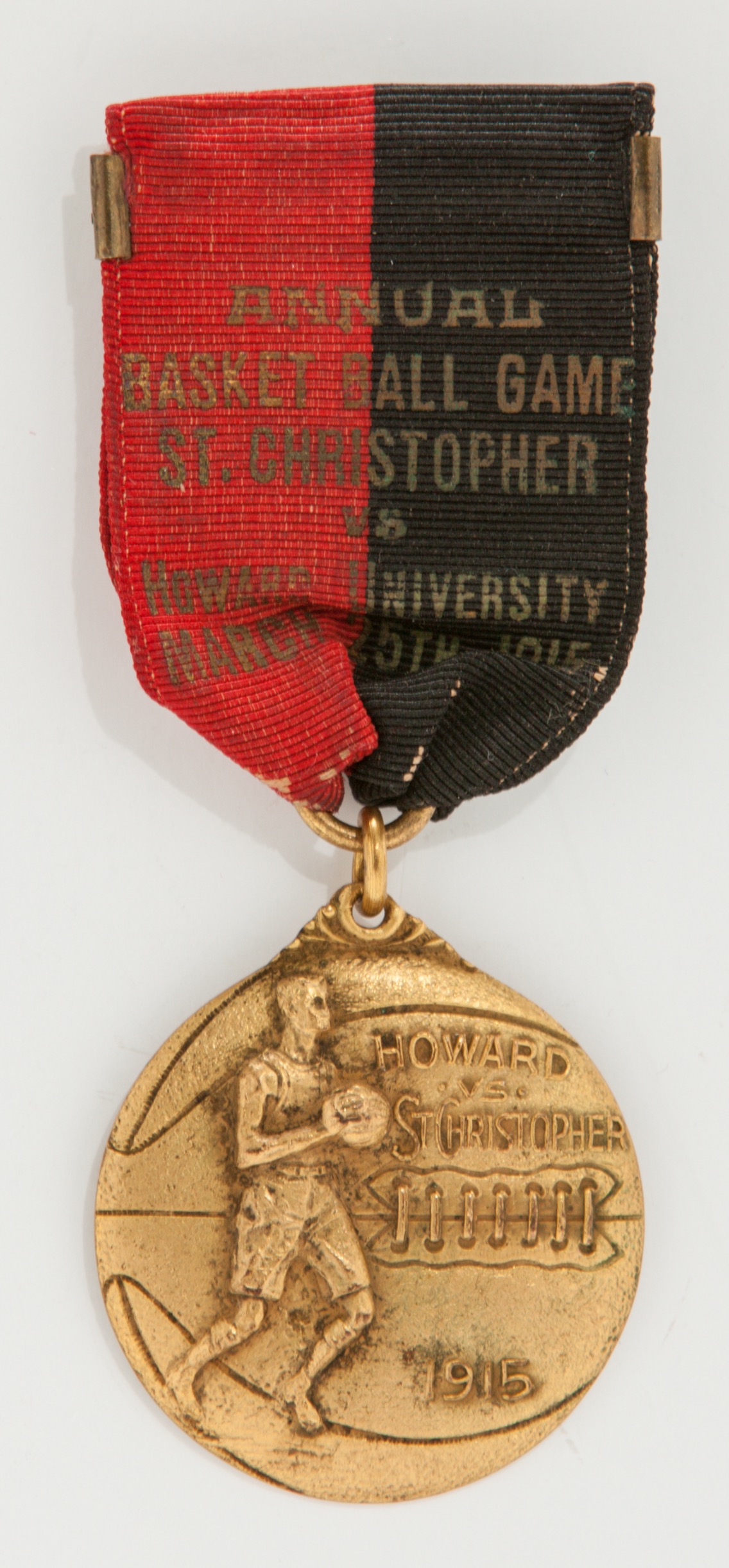
Medallion
More ... Souvenir Medallion, Annual Basket Ball Game, St. Christopher vs. Howard University, March 20th, 1915; Silk, gold-toned metal; Dieges & Clust, Makers, New York. This novelty piece is the earliest known in-arena promotional fan giveaway in basketball history, used to attract patrons to the game, and celebrating the rivalry between amateur club teams, the St. Christopher Club, managed by Will Anthony Madden, and Howard University. The makers, Dieges & Clust, also produced such notable medals as those for the 1904 Olympic Games and Major League Baseball MVP Awards. (Black Fives Archives).
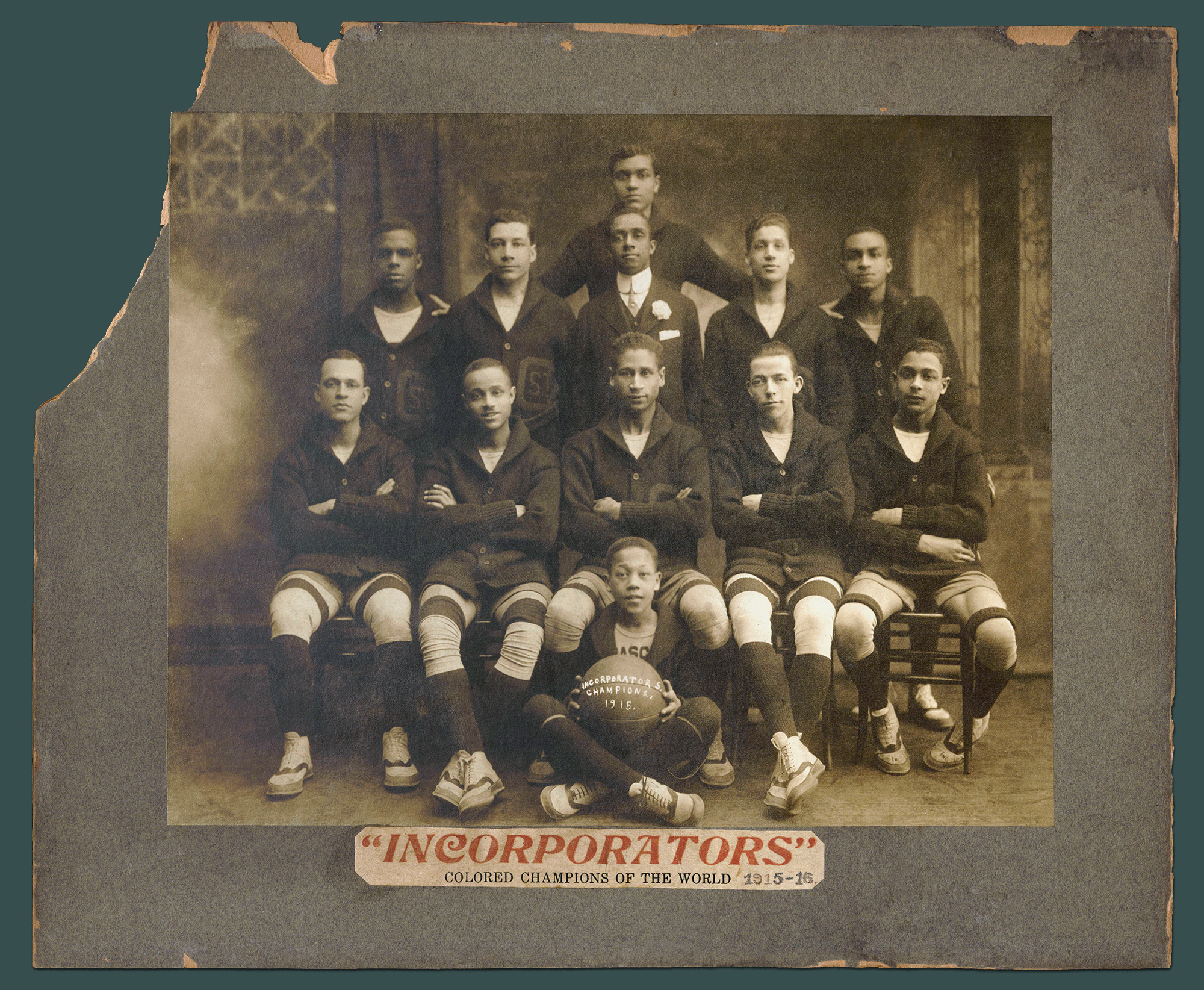
Incorporators, 1915
More ... New York Incorporators basketball team, "Colored Champions of The World, 1915-16," featuring Will Anthony Madden (center, with carnation), center Charles Cooper (standing, rear), and mascot Ralph Cooper (holding ball). Ralph Cooper would go to become a Harlem icon as the creator of "Showtime At The Apollo." He also became a Hollywood film producer and actor. Photograph, cabinet card stock. (Black Fives Archives)
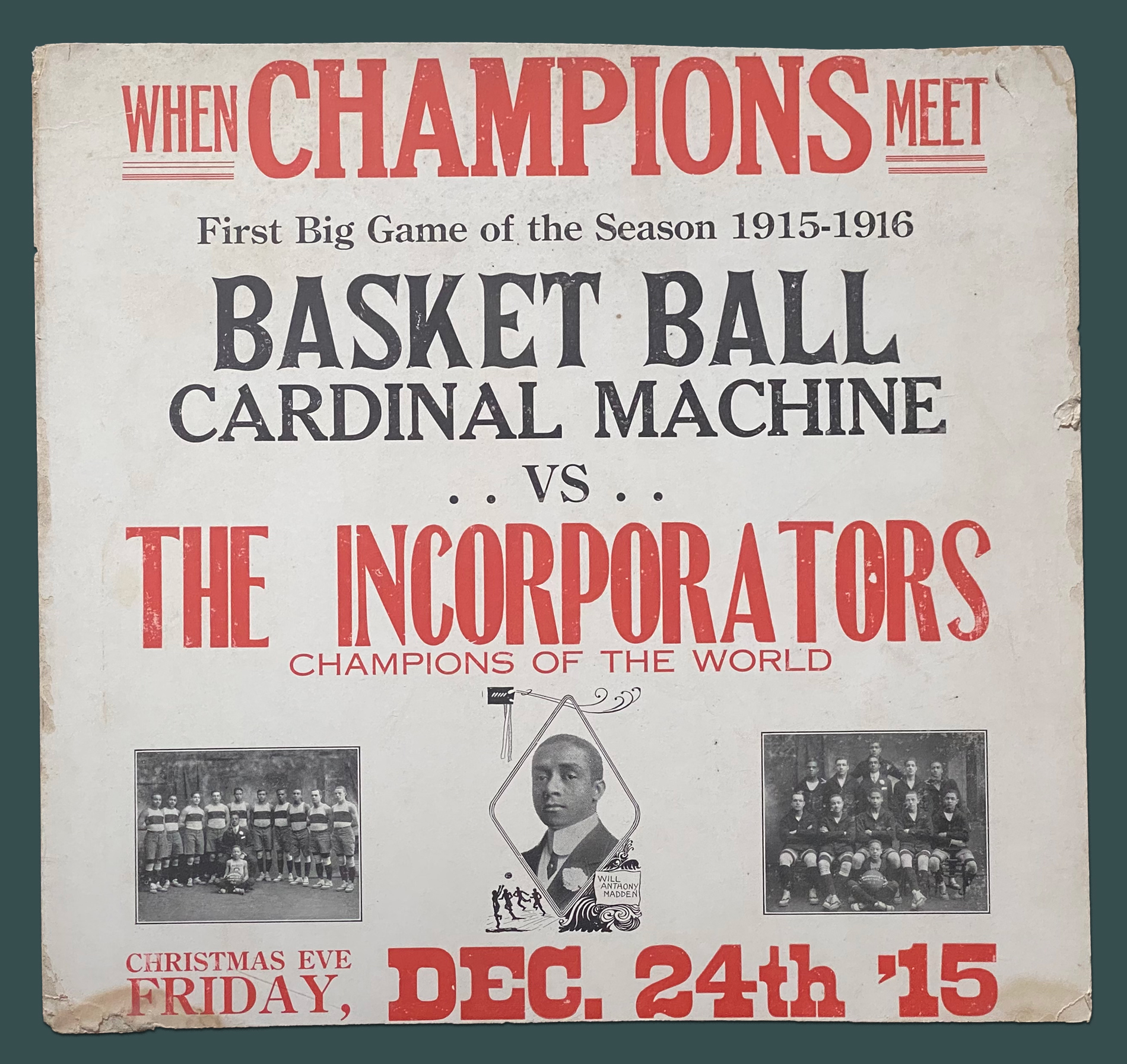
Poster, 1915
More ... Original promotional poster, "When Champions Meet," Christmas Eve, Friday, December 24, 1915. Will Anthony Madden’s New York Incorporators won the 1914-15 Colored Basketball World’s Championship. Also in 1915, Madden was named basketball editor of the widely circulated New York Age newspaper, allowing him to hype his team in the name of impartial journalism. “Everybody from everywhere will be there,” he wrote in November 1915, before an Incorporators’ game leading up this Christmas Eve contest. “Basketball, music, dancing, colors, flags, pennants, barges, souvenirs, pictures, and a score of pretty girls as officials will make the day one long to be remembered.” 1915, Placard stock. (Black Fives Archives)
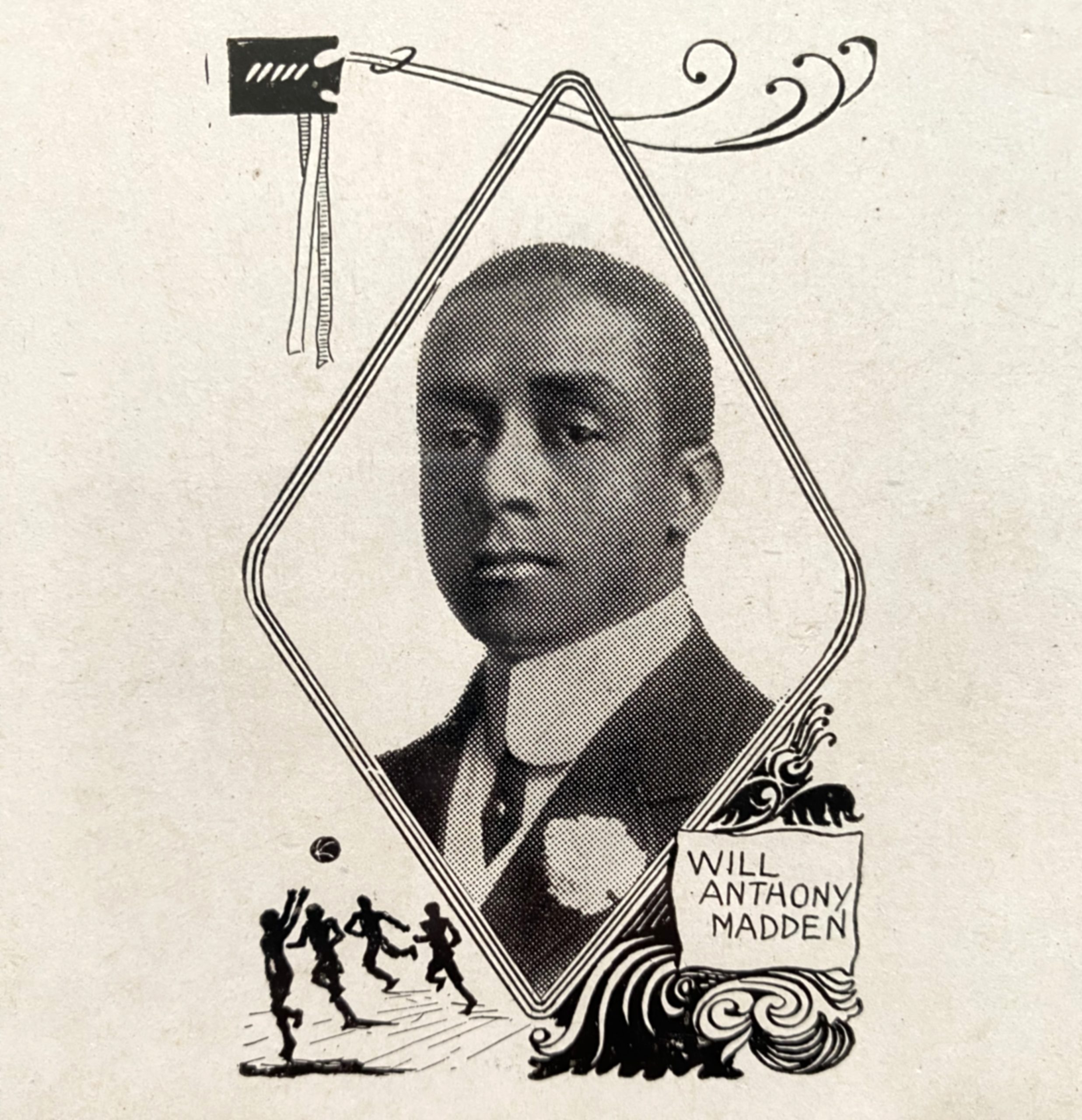
Madden, 1915
More ... Close up view of Will Anthony Madden, from "When Champions Meet" promotional poster. The mixed use of graphic art, photographic imagery, and portraiture on a printed poster was a unique innovation in sports at the time. Poster, placard stock. (Black Fives Archives)
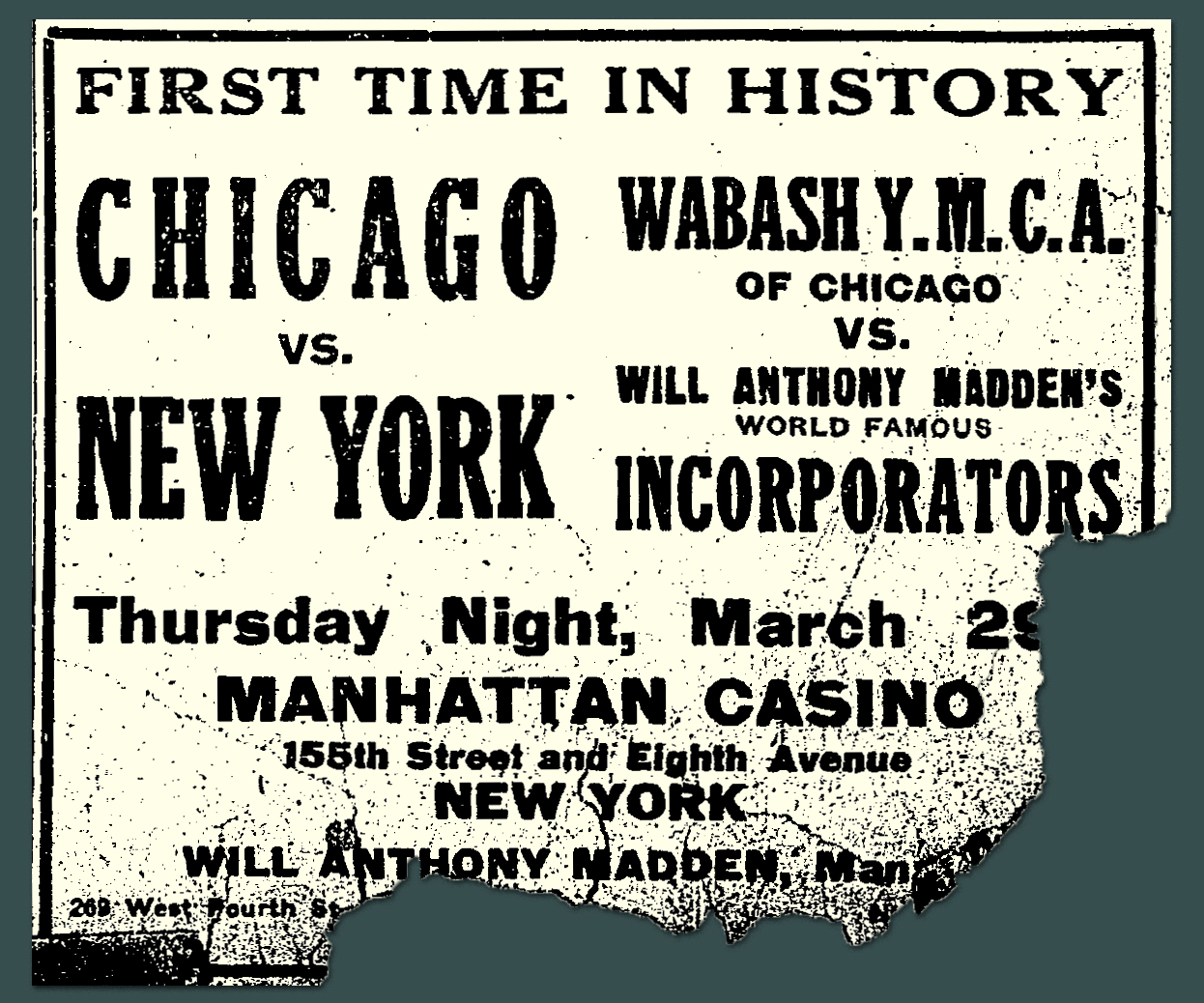
Ad, 1917
More ... An advertisement promoting a game as "CHICAGO vs, NEW YORK" was a unique innovation that created inter-city rivalries among African American basketball teams. Prior to this game, no all-Black basketball team had ever traveled this far. It was billed as the longest road trip in history. The following season, the Incorporators flipped the trip and visited Chicago to play Wabash. Reproduction.
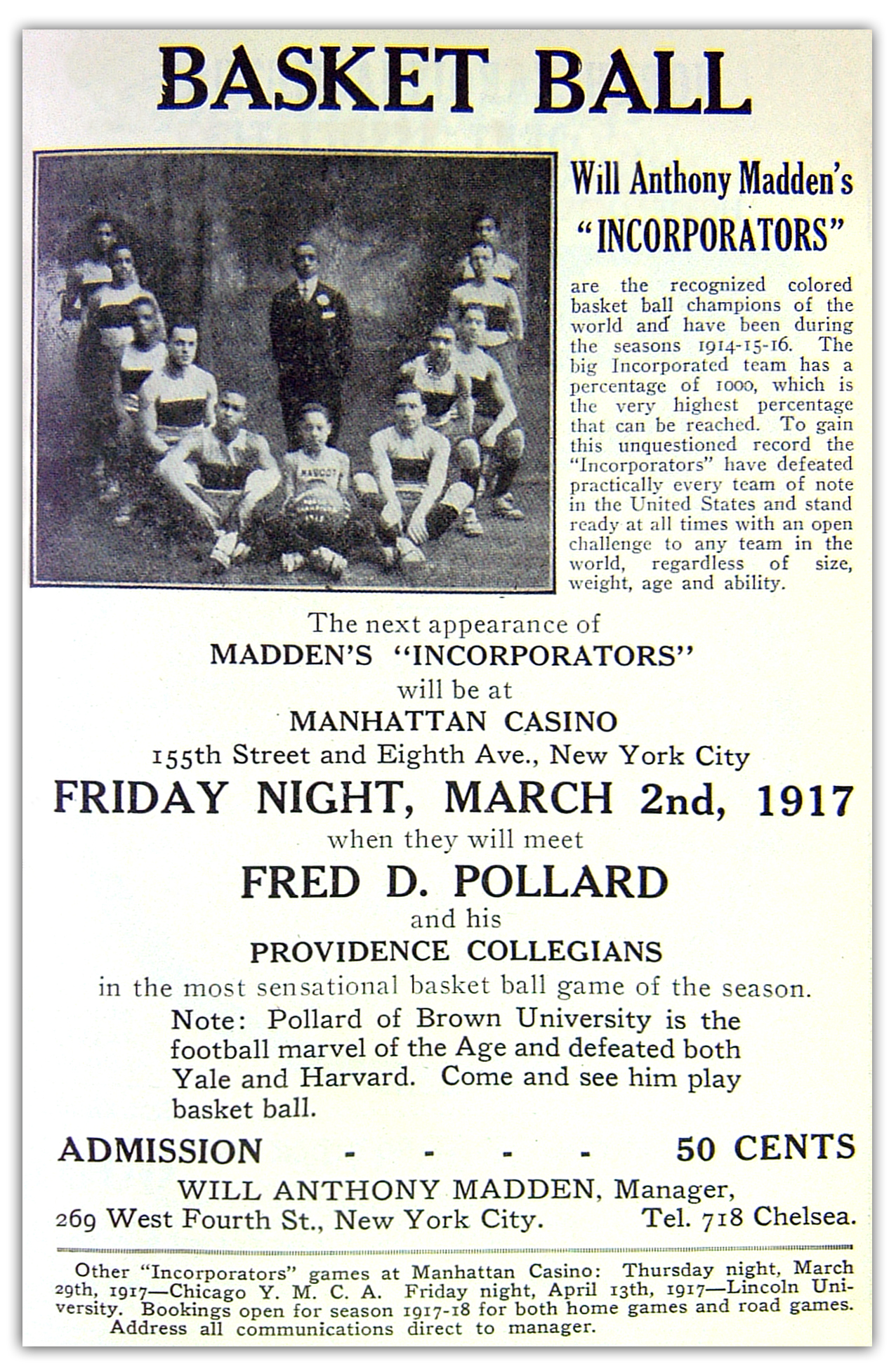
Ad, 1917
More ... Advertisement for basketball game between Will Anthony Madden's "Incorporators" and Fred D. Pollard’s Providence Collegians. Pollard is "Fritz" Pollard, the Brown University running back who is now in the Pro Football Hall of Fame. The Crisis - A Record of the Darker Races, Vol. 13, No. 5, March 1917, Whole No. 77, p. 249; 1917; Paper, magazine stock. (Black Fives Foundation Archives)

Headline, 1917
More ... Newspaper headline following the game in Chicago between the New York Incorporators and the Wabash Colored YMCA Outlaws. Will Anthony Madden commanded national headlines with numerous breakthrough innovations not only in Black basketball but in all of sports. Reproduction.
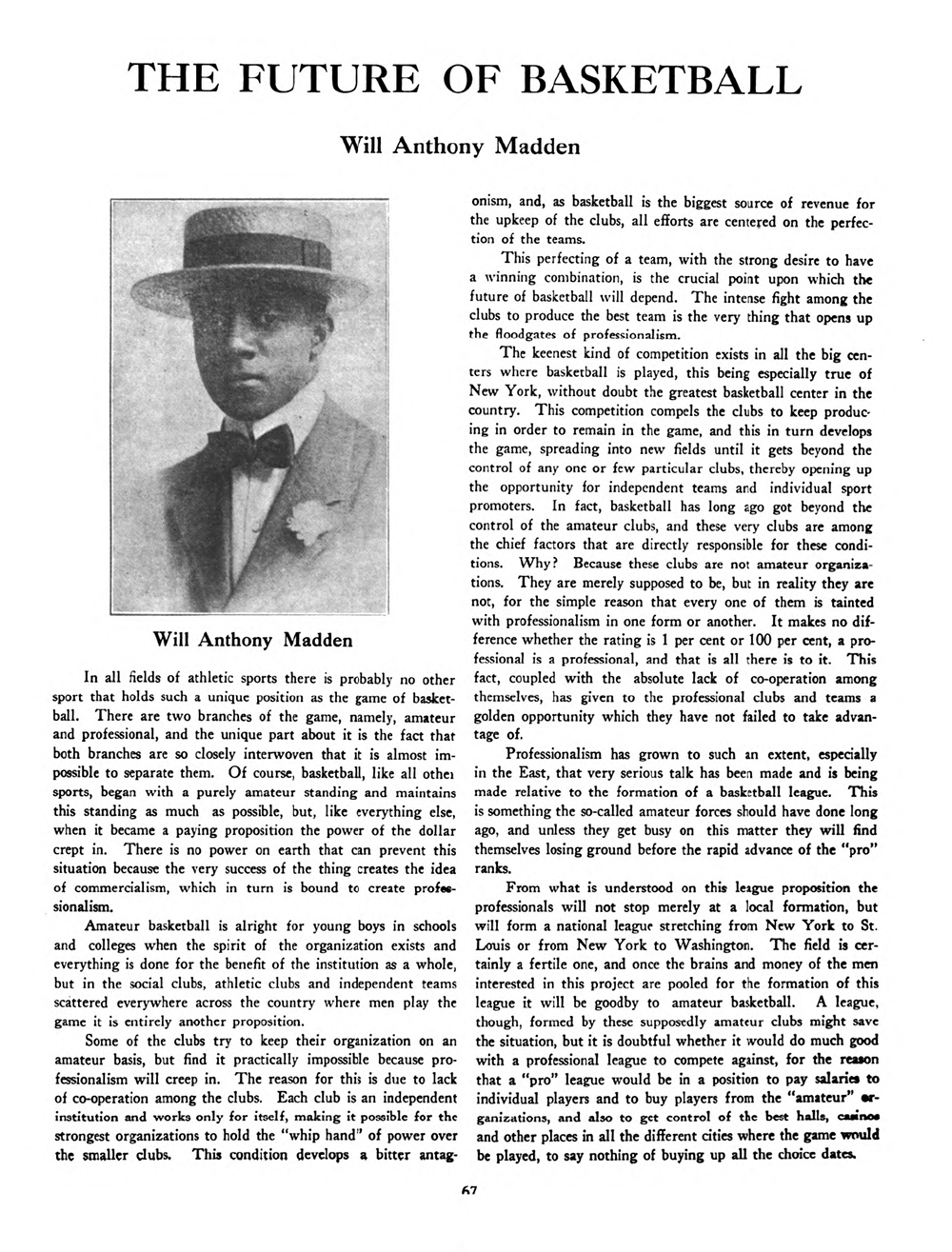
Future, 1920, p.1
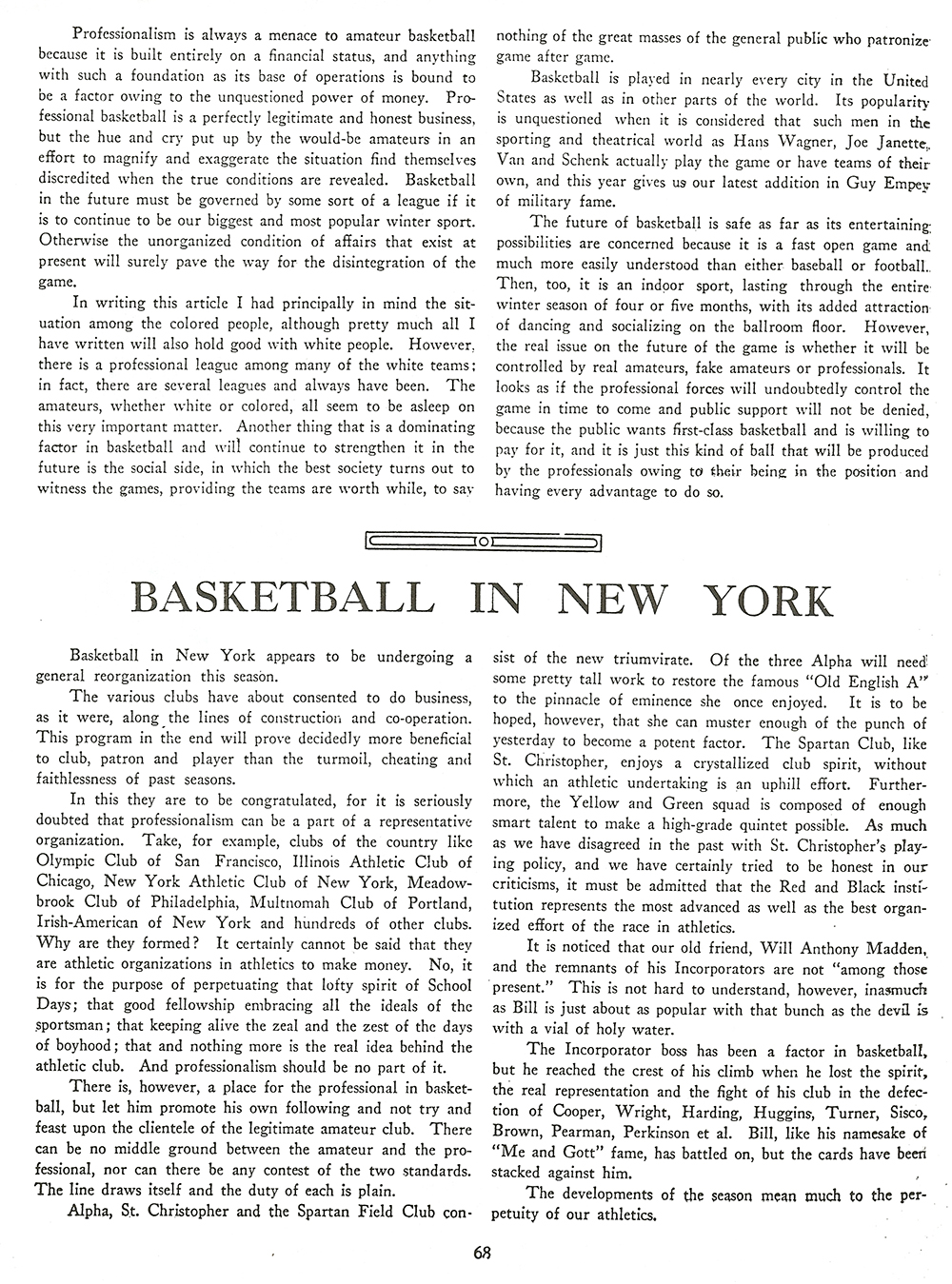
More ... Will Anthony Madden accurately predicted the convergence of amateur and professional sports in this 1920 essay that appeared in 1920 in the inaugural issue of The Competitor, a Black-run monthly magazine that was launched that year by the publishers behind the popular and influential Pittsburgh Courier. Madden was so prominent an authority on basketball that his essay appeared on Page 2 of Volume 1, No. 1. Reproduction.
Future, 1920, p.2
More ... Reproduction.
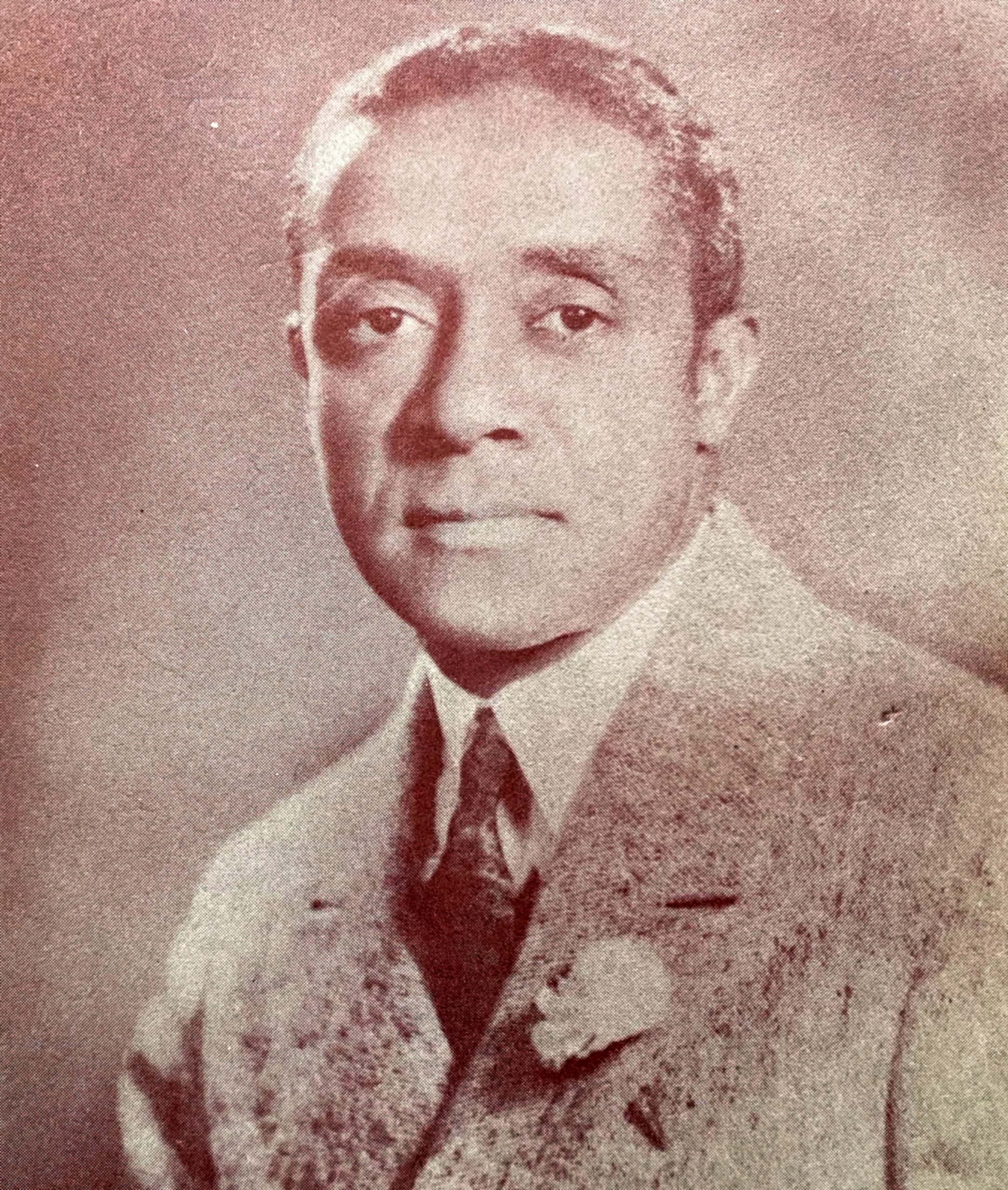
Madden, 1961
More ... The evolving look and fashion style of Will Anthony Madden, from the inside cover of a book he self-published in 1961. Book jacket, paper. (Black Fives Archives)
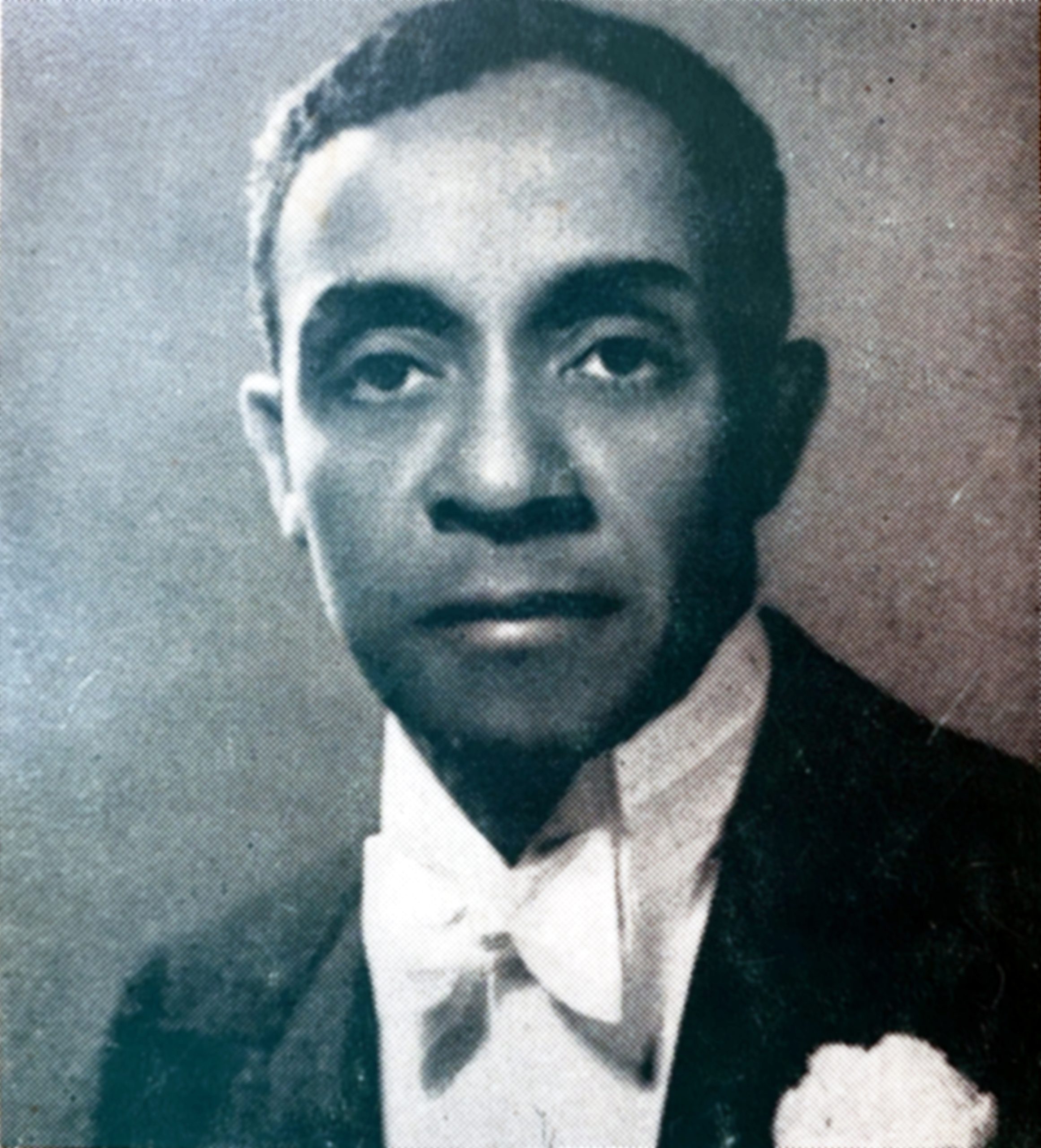
Madden, 1963
More ... The evolving look and fashion style of Will Anthony Madden, from the inside cover of a book he self-published in 1963. Book jacket, paper. (Black Fives Archives)
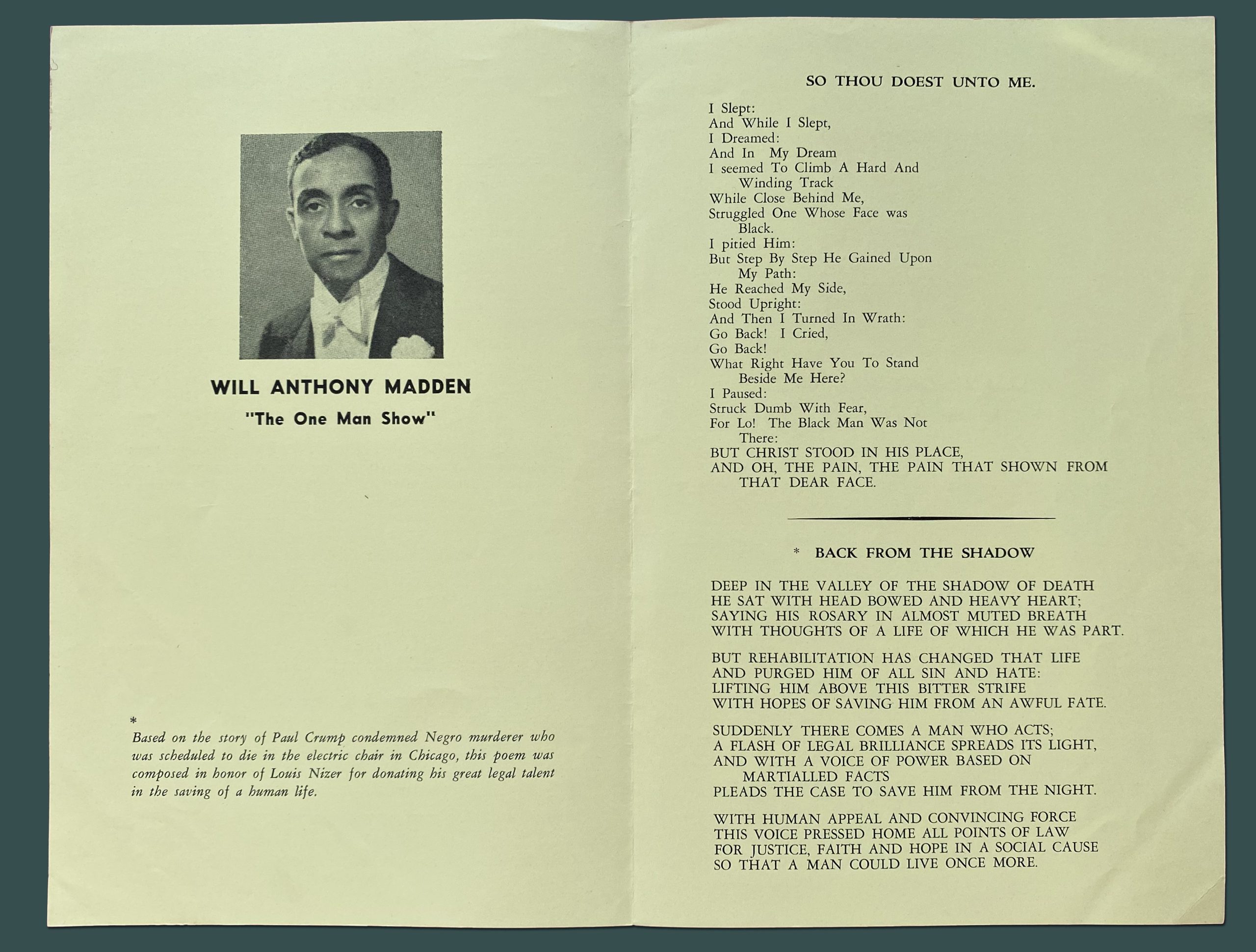
Poetry Promotion
More ... A pamphlet promoting a poetry reading and performance by Will Anthony Madden, circa 1963. Madden worked as a messenger at the prominent law firm Phillips Nizer. In this pamphlet, he refers to his boss, Louis Nizer, a partner in the firm and one of the most famous and successful trial attorneys of the last century. Paper. (Black Fives Archives)
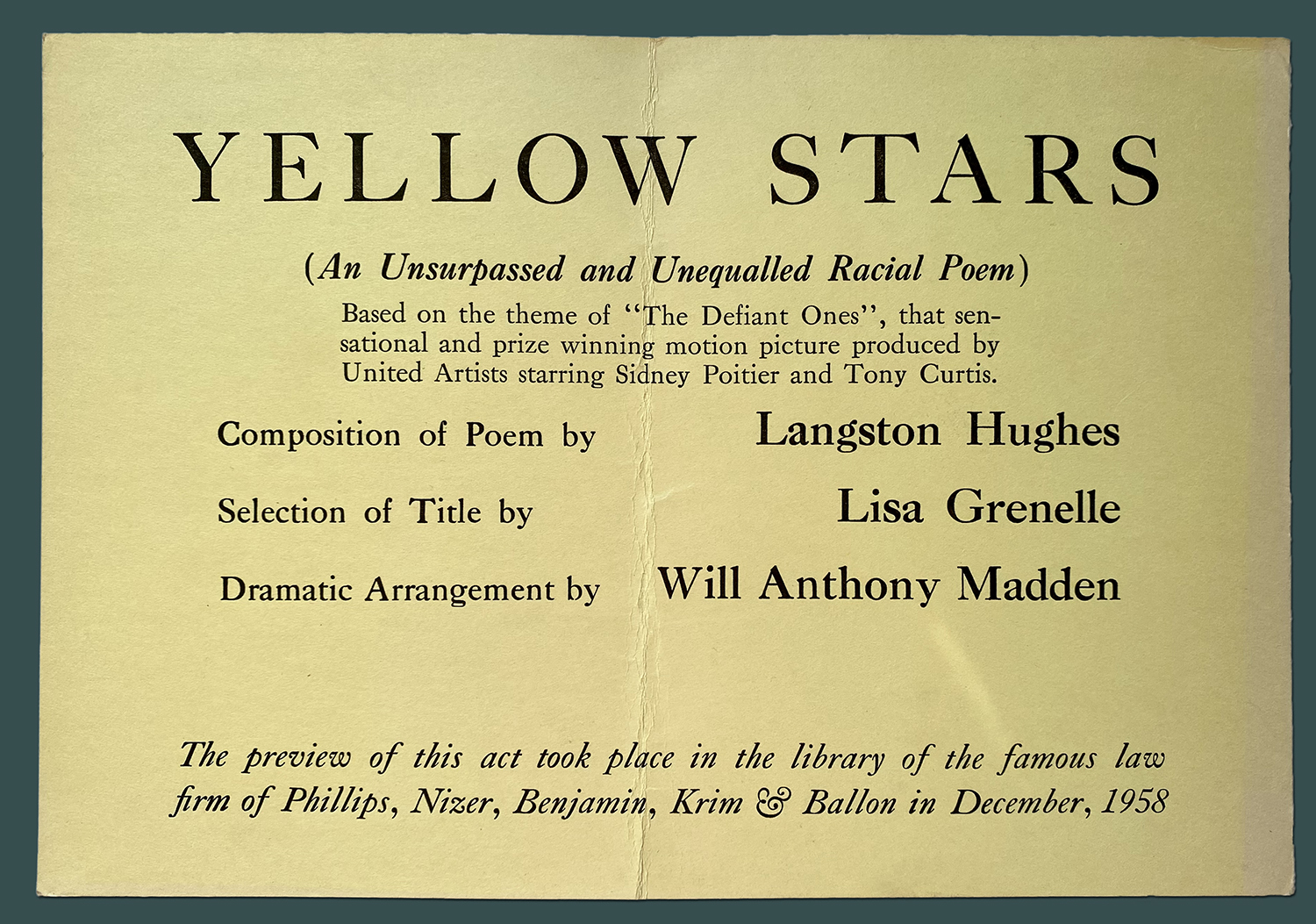
Poetry Notice
More ... Information card about a poetry reading to be performed by Will Anthony Madden. At this time, Madden was working as a messenger for the famous law firm Phillips Nizer. Card stock. (Black Fives Archives)
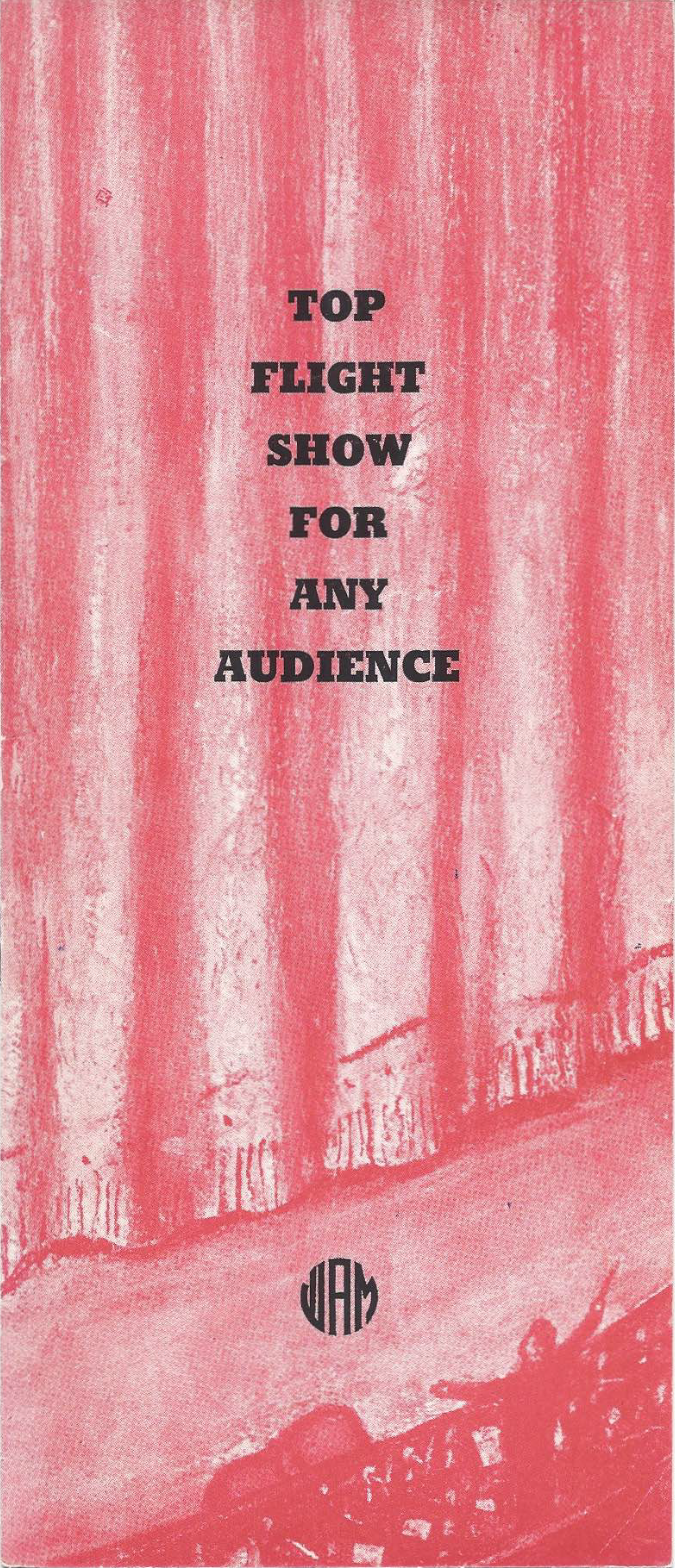
Pamphlet
More ... A pamphlet promoting Will Anthony Madden's "The One Man Show," circa 1959. Madden performed on several occasions in the recital theater at Carnegie Hall in New York City. Note his "WAM" monogram design on the program. Paper, brochure stock. (Black Fives Archives)
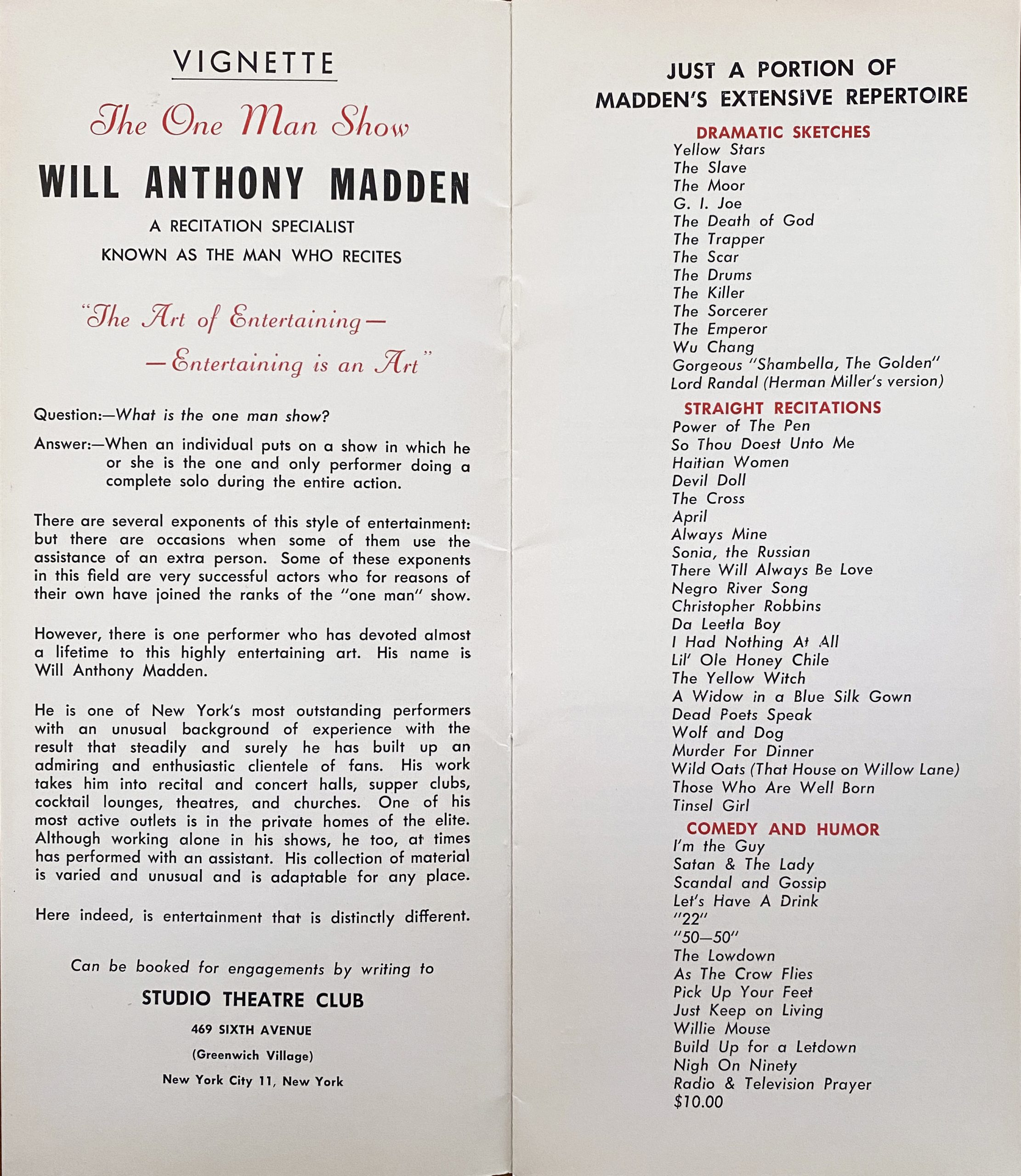
Pamphlet Interior, 1959
More ... The interior of a pamphlet promoting Will Anthony Madden's theatrical talents and the Studio Theatre Club , which he ran at his home in Greenwich Village for several decades beginning in the 1940s. Paper, brochure stock. (Black Fives Archives)
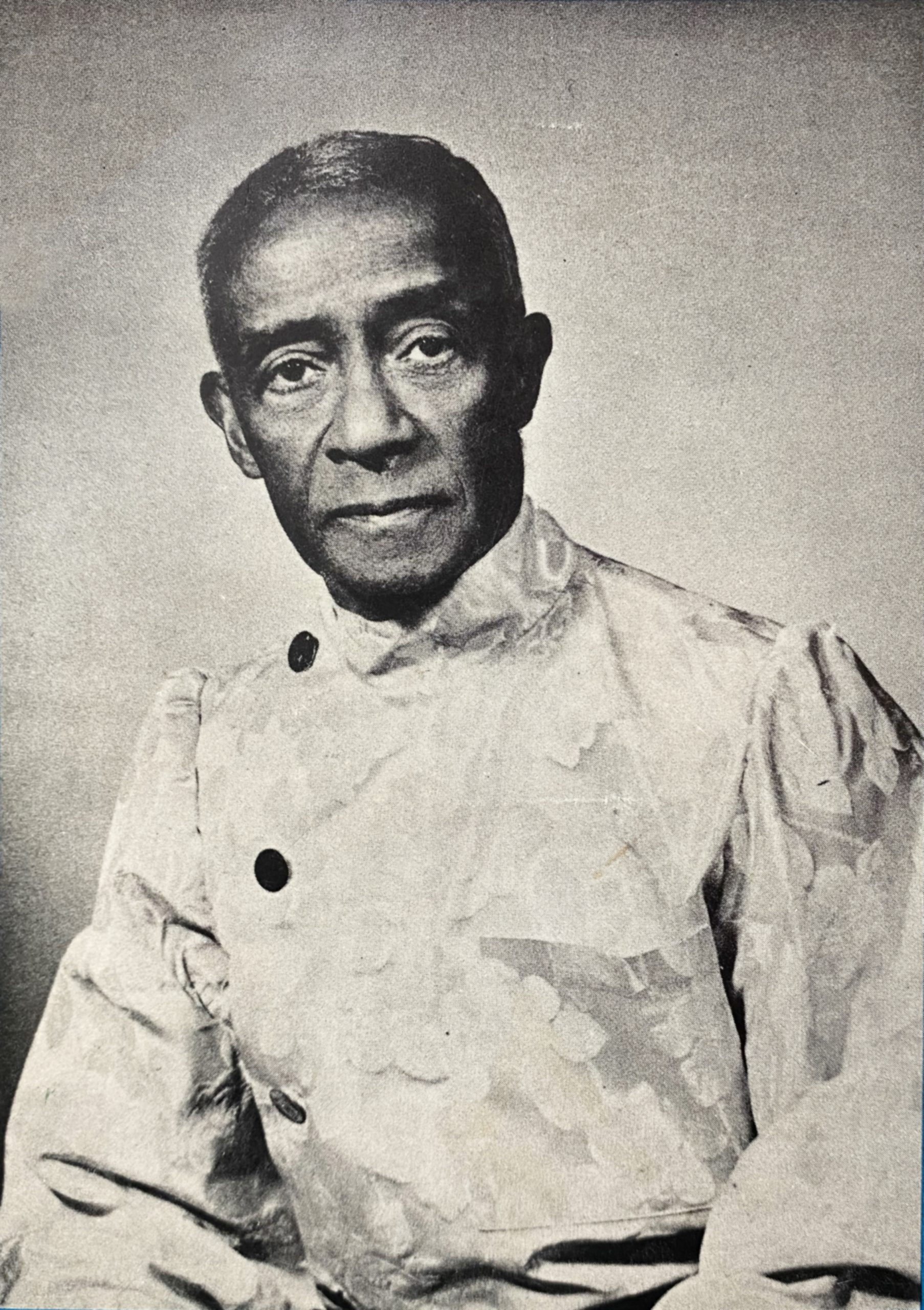
Madden, 1970
More ... The evolving look and fashion style of Will Anthony Madden, here in 1970, three years before his death in Greenwich Village, from the inside cover of a book he self-published that year. Book jacket, paper. (Black Fives Archives)
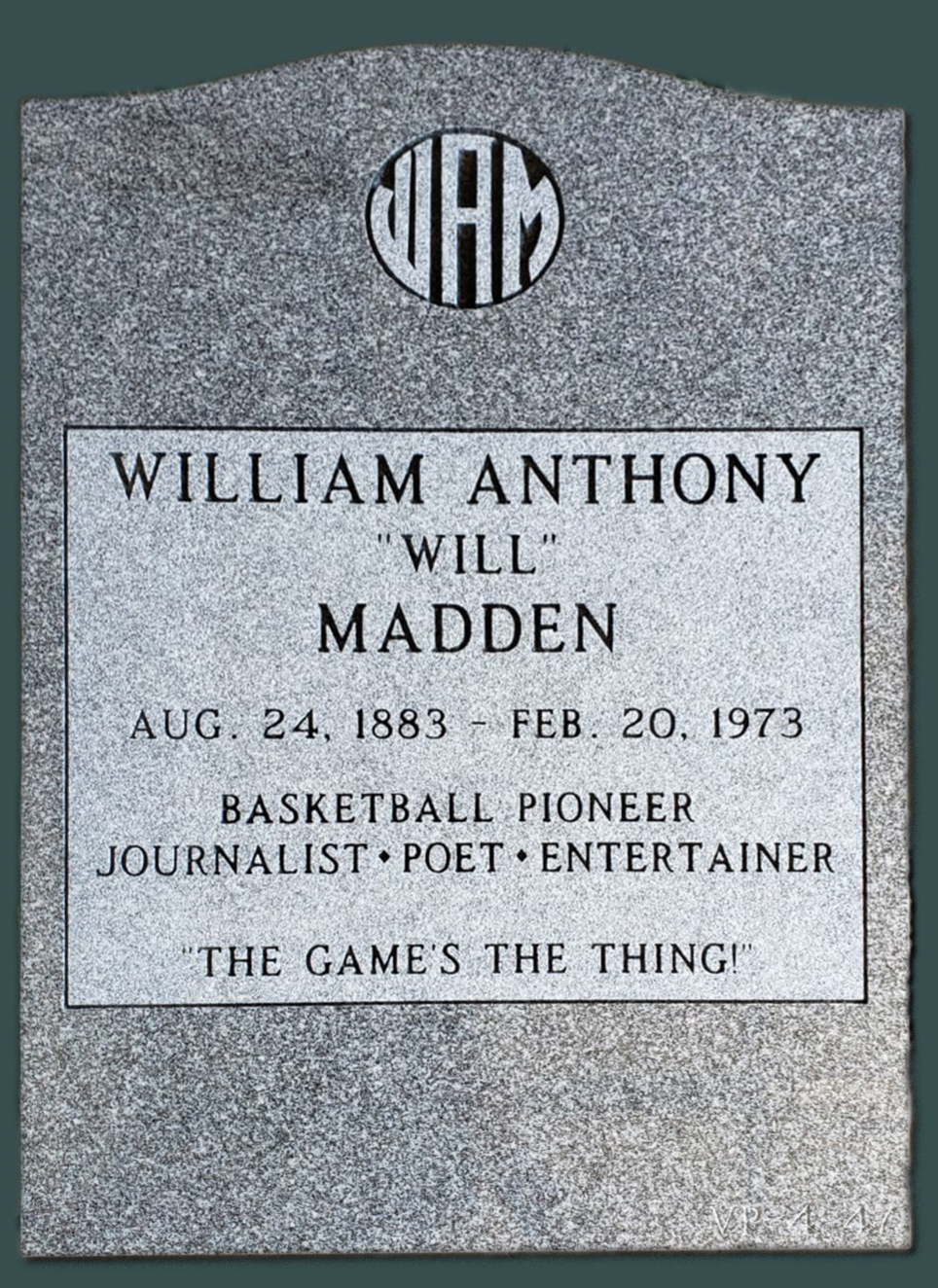
Gravemarker, 2023
More ... The granite gravestone for Will Anthony Madden in the Villa Palmeras section of Rosedale Cemetery in Linden, New Jersey, placed on the previously unmarked burial site by the Black Fives Foundation in February 2023 to mark the anniversary of his death.
Madden’s diminutive stature and authoritative style earned him the nickname “Little Napoleon.” His enduring legacy still informs not only basketball but all of sports today.
Off the court was another story. Madden seems to have been a brilliant yet complex figure. He lost his crown in basketball and left the game in 1919, a step that some Black sports journalists at the time equated to him being “exiled.”
After that, Madden tried for decades to make a name for himself as a stage actor, poem reciter, theater critic, and author. He was in the same orbits as some renowned entertainers and was a tireless self-promoter, but for the most part he never quite made it in that realm.
As the years went by, Madden gradually grew further apart from his self-made social and entertainment network.
But toward the end of his life, in the early 1970s, he reverted back to basketball and began visiting playground basketball games in Harlem. Madden would watch from courtside and critique players based on what he claimed was his extensive knowledge of “scientific basketball.” Few would listen, except for one man, a young Amsterdam News journalist named Howie Evans. Then one day, Madden stopped showing up. When he died in 1973, the former King of Black Basketball had no known next of kin or friends and was buried in an unmarked grave.
One week prior to Madden’s death, Evans had named the former King of Black Basketball as one of the four African-American sports pioneers who “made history in the basketball world” by establishing the game with a firm grip in Black communities. The others were Edwin Bancroft Henderson, Cumberland Posey, Jr., and Robert “Bob” Douglas, all of whom were subsequently enshrined in the Basketball Hall of Fame.
Thank you for making this information about one of our true basketball pioneers available to public. Your book is a great read. I enjoyed every page of it.
Mahalo,
Chic


Thank you for making this information about one of our true basketball pioneers available to public. Your book is a great read. I enjoyed every page of it.
Mahalo,
Chic
Thanks so much, Chic! That means a lot! Much appreciation! Mahalo!